
Therapy, especially trauma therapy doesn’t need to be in a room with a therapist. Drama and theatre have been the oldest form of therapy, and perhaps Shakespeare’s correct title would be Psychologist.
And so it is, that in a more natural world than North America, writers are therapists. In a world characterized by segregation of women and where spending decisions are largely driven by cultural factors, the Pakistani TV drama should be recognized as a therapeutic intervention for women. It provides a way to have our pain mirrored and experienced.
The TV drama cannot show anything overtly sexual. Intimacy is shown via eye contact and a random touch here and there. The heroine must always look good enough to eat, like rasgullas covered with silver paper. Tall, slim, fair and lovely, with enticing eyes and long hair, dressed in clothes that hide the female form, the heroine is usually engaged in a battle for love, respect and acceptance. Her greatest weapons are her youth, physical loveliness and innocence in the battle for her man’s heart. Her demure and loyal nature should hopefully result in finding a faithful and good man. Girls must work hard at being found desirable by both men and their mothers. It appears that as far as TV dramas are concerned, women’s aspirations begin and end at their desire for a family.
The Pakistani drama is written for women who interact with the outside world through this medium, as they are largely confined at home. The drama is cathartic and emotional, helping create validation for women who feel trapped in the family system, where power seems to lie in the hands of the other wicked woman, who holds the heroine’s man captive in her web of lies and deceit. Good men are toys in the hands of evil women, until our heroine is vindicated. This frame of reference points to psychological aspects of life in collectivist cultures such as enmeshment between mothers and daughters, the trauma of emotional abandonment and ultimate betrayal because daughters lose their safe haven and have to adopt another family. The dramas also highlight the problems with patriarchy, where women who control the man, control their family. Therefore, our young heroines, whose greatest value lies in their cuteness have no recourse but to be helpless victims of the family system. Men in dramas are portrayed as immature, gullible, dependent on women for their needs, boringly appropriate or mentally sick and perverted.
Women fight other women to capture the man’s heart, but he has been raised to be the provider and protector first. Heart for him is about who can serve /his/ needs for food and beauty. Most of the time, the mother figure wins the battle for the man’s heart, leaving our pretty heroine devastated. In the end, the younger woman may win because of her faithful and loving nature in comparison to the other woman. One would wonder what kind of Prince would deserve such attention and adoration? Just a man. Yup. But men are socialized to think they are entitled, because of being providers while women are socialized to think they need men, despite their talents. It is just entitled patriarchy as normal.
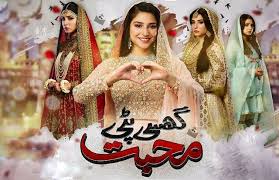
In the above frame of reference of intense compromise, enters Ghissi Pitti Mohabbat. A friend referred this drama to me, as I had sent out an SOS to find something entertaining for my mother. The heroine’s bluntness caught my attention. I wasn’t surprised when the writer confirmed that this story is a true story. In the main character I saw a woman who has not (yet) realized that hypocrisy is the only way to survive in society, where people avoid speaking the truth, because truth is dangerous.
Samiya’s search for love in a world where truth is not palatable, was especially triggering for me. She is asking for humanity in a world that thrives on killing every last vestige of it. Marriage after marriage, Samiya is taught the lesson, that she does not matter, her feelings don’t matter and that she is barely human. But she refuses to learn that marriage in a narcissistic patriarchy is not about loving Samiya, but about her service for the husband. One wonders how the story will evolve and where it will end. But for now, we watch the other women clobber Samiya and win, because they get it that many men are incapable of reciprocal love, that they are raised to be /consumers of women/ not equal partners.
Noteworthy Moments
In episode 21, the way the ‘sister in law’ vibed with the heroine’s husband was so sick, it made my stomach churn in recognition of a betrayal I have witnessed.
In episode 24, the way Samiya feels like an outsider after a 3rd divorce.
In episode 17, the way a perverted man negotiates a marriage with the heroine.
Interesting to see that divorced Samiya is portrayed as a lust filled woman because she married 3 men, but her actual behavior is rudeness towards men followed by instant agreement if they offer friendship then marriage.

 Behind The Veil