
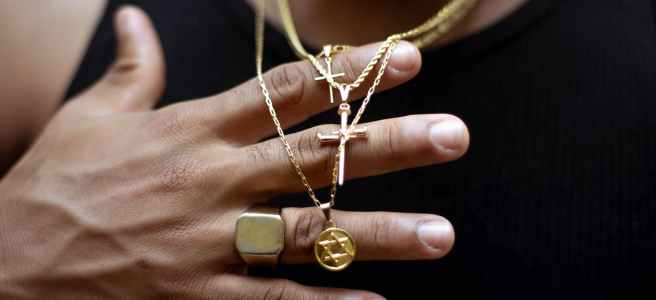
Inspired by Carl Jung and Soren Kierkegaard’s ideas about the Martyr complex and archetype and my own exploration of religion and spirituality in a multi-cultural and global world.
Among all addictions such as substance abuse, sex or smoking the most invasive and deeply binding is religion, because it creates the Martyr archetype.
“The tyrant dies and his rule is over, the martyr dies and his rule begins.”
― Soren Kierkegaard, The Journals of Kierkegaard
With other addictions there is a period of withdrawal, the person writhes sweats, cries or screams their way through the agony of loss of pleasure. But with Religion, the grasp is so strong that no logic, no self-realization is powerful enough for long term freedom. Religion plants a passion for martyrdom and service. It invasively asks sacrifice of ego from its followers. It hurts, but it also promises relief from hurt. It is like being in a masochistic relationship with oneself. The deepest wounds come from within, which are mirrored by others who mistreat and use the individual. But the martyr sublimates the pain of denial of self, calling it a refining of the self.
In some sects they beat themselves physically, but in many the mental self bashing is enough. The participants need to be right and have validation through an outside religious leader who tells them what to do For a short duration, this kind of worship helps people to avoid looking at their broken self and the bleeding wounds of their ego. But because the relief is of a short duration, the addict must keep looking for another dose of martyrdom high, “Im a good person” and “I am right,” “If I do what they say, I will be okay in the end” even if it is painful right now.
The progression of an addiction is to start small and at the final stages, the only thing remaining is the addiction, because the individual authentic self has been destroyed. To start with it is a soft cloth on the head, then soon it becomes a big veil over the entire body and eventually the family, the community, until the persona disappears within the martyr archetype.
There is a high religious fervour from the sacrifice of the self and the teaching of that joy to others, because in the short term the ego is silenced. The insecurities retreat and stop expressing themselves instead a more perfect and integrated self is created. This is the archetype of the Martyr who has found his way–his path, his identity through their religious beliefs out of their pain and now must teach the Way to others. Yet, because of the pressure of a constructed self, the sub-conscious that is unable to take the pressure may find another addiction such as cigarettes, sugar, overeating, porn and sex to cope with the pressure of the martyr to be better than others, right, perfect and good. But, any shaking in the false self is pacified with more recitations, more gatherings and more perfection. Religions/spiritual cults and all such groups help with the ‘transformation’ of the hated wounded self into a more acceptable new self that feels ‘good enough’ and ‘worthy’. And once achieved God’s approval or Money or Love or Abundance will arrive.
Within our collective and individual self, the martyr archetype exerts a strange authority that does not come from competence but from belief and faith. The martyr makes us accept things we would not if we felt okay as our authentic self. The martyr hurts in order to teach and justify the hurt as a necessity on the path.
Perhaps what we seek within the Martyr complex is significance. We want to matter and we want our lives to matter. Lonely, sad and alone, we want to feel that somebody sees us and notices how committed we are towards goodness DESPITE the darkness around us.

 Behind The Veil